
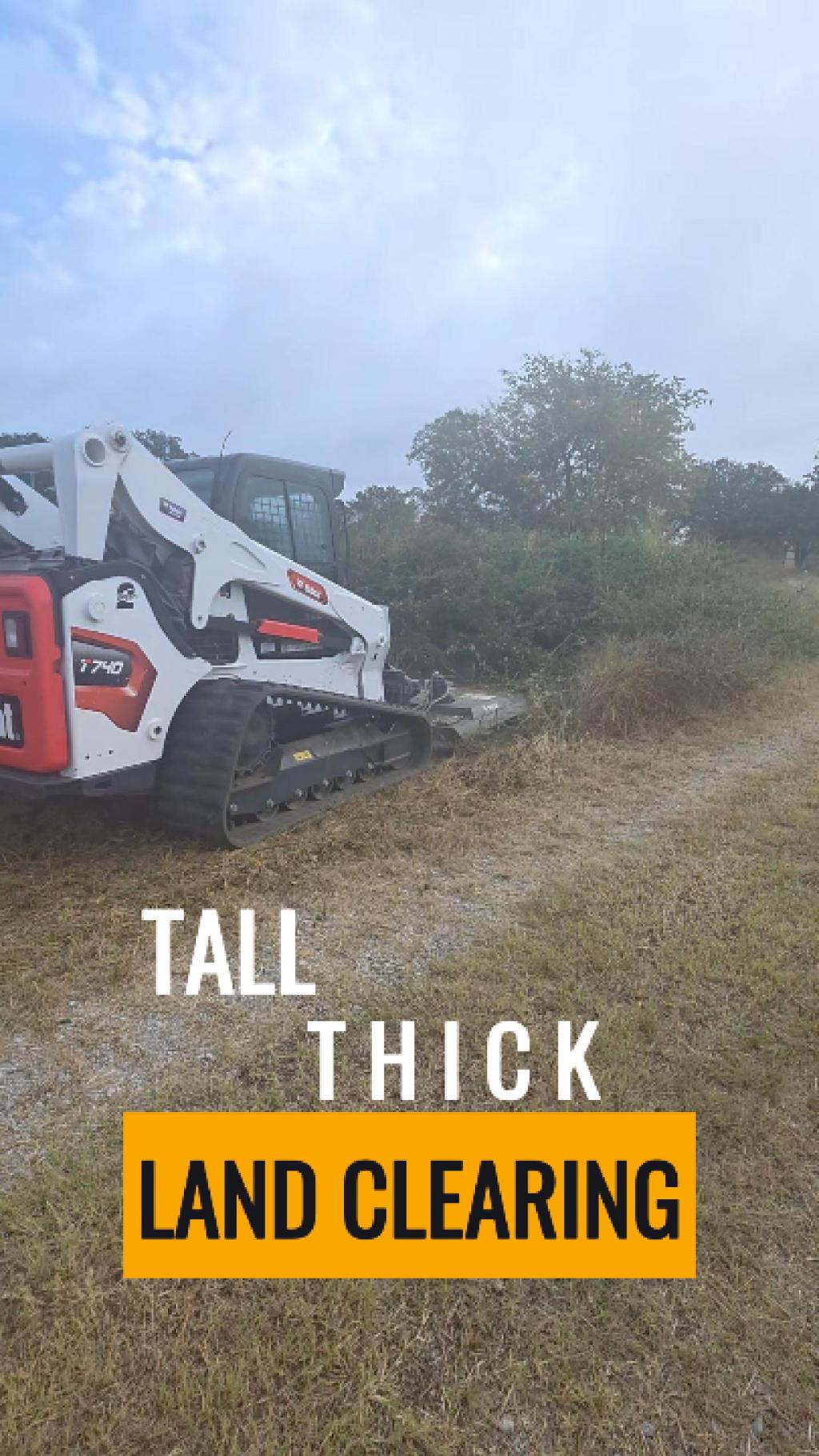
What ‘Overgrown’ Really Costs You Every Month
The monthly bill you never agreed to
“Overgrown” sounds harmless. Like a vibe. Like your property is just out here living its best life.
In reality, “overgrown” is a subscription service you did not sign up for, and it bills you in sneaky little line items every single month.
- Extra mowing and equipment wear
- Higher fuel and maintenance costs
- Pests and predators moving in rent-free
- Drainage issues that turn into ruts and washouts
- Lost access to land you are literally paying taxes on
- Reduced usability, and a harder sell when you go to market
If you have been thinking, “I’ll get to it later,” later is usually when it’s more expensive and more annoying. Like car problems and unresolved email.
A quick story that always starts the same way
We hear this a lot:
“It was fine last season. Then it got away from us. Now it’s a jungle.”
One month turns into three. Three turns into a whole growing season. Now you have saplings turning into small trees, thickets thick enough to hide equipment, and trails you used to drive are gone.
And then the monthly costs start stacking up.
The real monthly costs of “overgrown” land
1) Mowing costs that keep increasing
Once growth gets woody, mowing stops being “mowing” and becomes “abusing your equipment.”
What it costs you monthly:
- More frequent mow cycles just to keep it from getting worse
- Blades, belts, tires, hydraulic hoses, and surprise repairs
- Fuel and time, which somehow always disappears on a Saturday
If you are paying a crew, you may also be paying for “we can’t get in there” fees or partial work that never solves the root problem.
2) Equipment wear, breakdowns, and “it was working yesterday”
Overgrowth is rough on machines. You hit hidden stumps, rocks, and uneven ground, and suddenly your weekend project becomes a repair bill.
Monthly cost pattern:
- Repairs that add up slowly, then all at once
- Downtime when you actually needed the equipment
- Replacement costs when a “quick fix” stops being quick
3) Pests, snakes, and “why is that living here” surprises
Overgrowth creates cover. Cover attracts things that do not contribute to your property’s peaceful vibe.
Common outcomes:
- Rodents, ticks, chiggers, and snakes
- More pest control calls
- Less safe and less usable outdoor space
4) Drainage, erosion, and access issues
Overgrowth blocks natural drainage paths and hides problems until you find them the hard way.
Monthly cost pattern:
- Ruts deepen with every rain
- Washouts expand
- Water starts pooling where it should not
- You stop using sections of your land because access is a mess
5) Lost land use and lost value
This is the quiet killer.
If you are not using your land, you are still paying for it.
You lose:
- Usable pasture
- Hunting lanes and trails
- Space for a homesite, shop, or barn
- Clear access for future projects
And if you plan to sell, overgrown property often feels like “work” to a buyer. Work is a deal killer.[1]
The “Overgrown” Cost Scorecard
If you are saying “yes” to 3 or more of these, you are likely paying monthly for overgrowth already:
- You have to mow more than you want to
- Your mower is losing the war
- You avoid parts of your property
- You have drainage ruts or standing water
- You have saplings popping up everywhere
- You have thick brush along driveways, lanes, or trails
- You are worried about snakes, ticks, or pests
- You keep saying “we’ll handle it this fall” [and then fall happens]
So what actually fixes it?
Mowing maintains. It does not reclaim.
To reset land that has gone woody and thick, you typically need a clearing approach that:
- Removes brush and saplings at the source
- Opens access and visibility
- Helps you take control of maintenance again
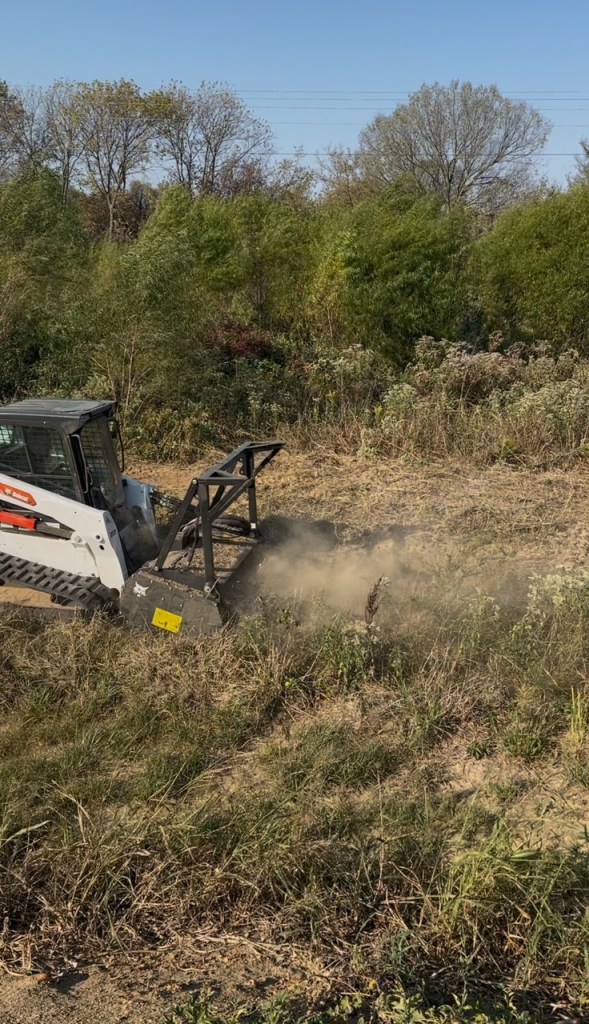
For many properties, forestry mulching is a practical “reset button” because it clears and mulches material in place, without hauling and burning piles in many scenarios. It also helps you get back to a maintenance level you can actually keep up with.[5]
What you can do this month to begin controlling overgrowth
Step 1: Pick the goal
What do you want the land to do?
- Pasture reclaim
- Trails and access lanes
- Homesite clearing
- Brush control for property use
- Deer habitat improvement and hunting lanes
- Pond access and cleanup
Step 2: Identify the “money leaks”
Walk the property and mark:
- Driveways, access paths, and trails
- Drainage channels and low spots
- Areas you keep avoiding
- Places you repeatedly mow and still lose ground
Step 3: Stop paying for repeat maintenance
If you are mowing the same battle every month, you do not have a mowing problem. You have a clearing problem.
FAQs
How much does overgrown land cost per month?
Quick answer: Usually more than people think, because the costs hide in maintenance and repairs.
Most owners notice the obvious costs first [fuel, mowing, labor], then the hidden ones show up [equipment repairs, drainage issues, pest control, and lost use of the land]. If you are repeatedly mowing and still losing ground, your monthly costs are compounding.
Can I just bush hog it and be fine?
Quick answer: Bush hogging can maintain light growth, but it rarely reclaims overgrown areas long-term.
Once saplings and brush get established, bush hogging often turns into repeated mowing cycles with increasing wear on equipment. It knocks it down, but it usually does not eliminate the regrowth problem.
Why does overgrowth come back so fast?
Quick answer: Because many properties have a strong seed bank and aggressive regrowth once sunlight hits disturbed ground.[6]
If brush is cut without addressing the source, many plants resprout quickly. Timing, follow-up maintenance, and proper clearing methods matter if you want results that last.
Is forestry mulching better than bulldozing?
Quick answer: It depends on your goal, but mulching is often the cleaner reset for reclaiming and maintaining land.
Bulldozing is excellent for major grading and heavy earthwork, but it can be disruptive and often creates debris handling needs. Forestry mulching is commonly used to clear brush and saplings efficiently, improve access, and reduce the need for piles.[5]
How do I know if my property needs a full reset or just maintenance?
Quick answer: If access is shrinking, saplings are multiplying, or mowing isn’t keeping up, you likely need a reset.
Maintenance works when you can keep growth under control with normal effort. If you are avoiding areas, breaking equipment, or watching trails disappear, it is time for a more strategic approach.
Want the “real number” for your property?
If you want, we can help you figure out whether you are dealing with:
- a simple maintenance issue, or
- an overgrowth reset that will save you money month after month
Hotshot Land Solutions Forestry mulching and land clearing that gets your property back under control.
References
- National Association of Realtors. (2023). Impact of Landscaping and Property Maintenance on Home Value. Retrieved from https://www.nar.realtor/research-and-statistics/research-reports/impact-of-landscaping-on-home-value
- Texas A&M AgriLife Extension. (2022). Managing Pests in Overgrown Areas. Retrieved from https://agrilifeextension.tamu.edu/library/landscaping/managing-pests-in-overgrown-areas/
- USDA Natural Resources Conservation Service. (2021). Best Management Practices for Erosion Control and Water Management. Retrieved from https://www.nrcs.usda.gov/conservation-basics/conservation-by-state/national-headquarters/best-management-practices
- Purdue University Agricultural Economics. (2020). Agricultural Equipment Maintenance and Repair Costs. Retrieved from https://ag.purdue.edu/commercialag/farm-management/agricultural-equipment-maintenance-and-repair-costs/
- Clemson University Cooperative Extension. (2023). Understanding Forestry Mulching for Land Management. Retrieved from https://www.clemson.edu/extension/forestry/forestry-mulching-guide.html
- University of Florida IFAS Extension. (2021). Ecology of Invasive Species and Brush Regrowth. Retrieved from https://sfyl.ifas.ufl.edu/lawn-and-garden/invasive-species/
 Hotshot Land Solutions | Oklahoma Land Clearing