
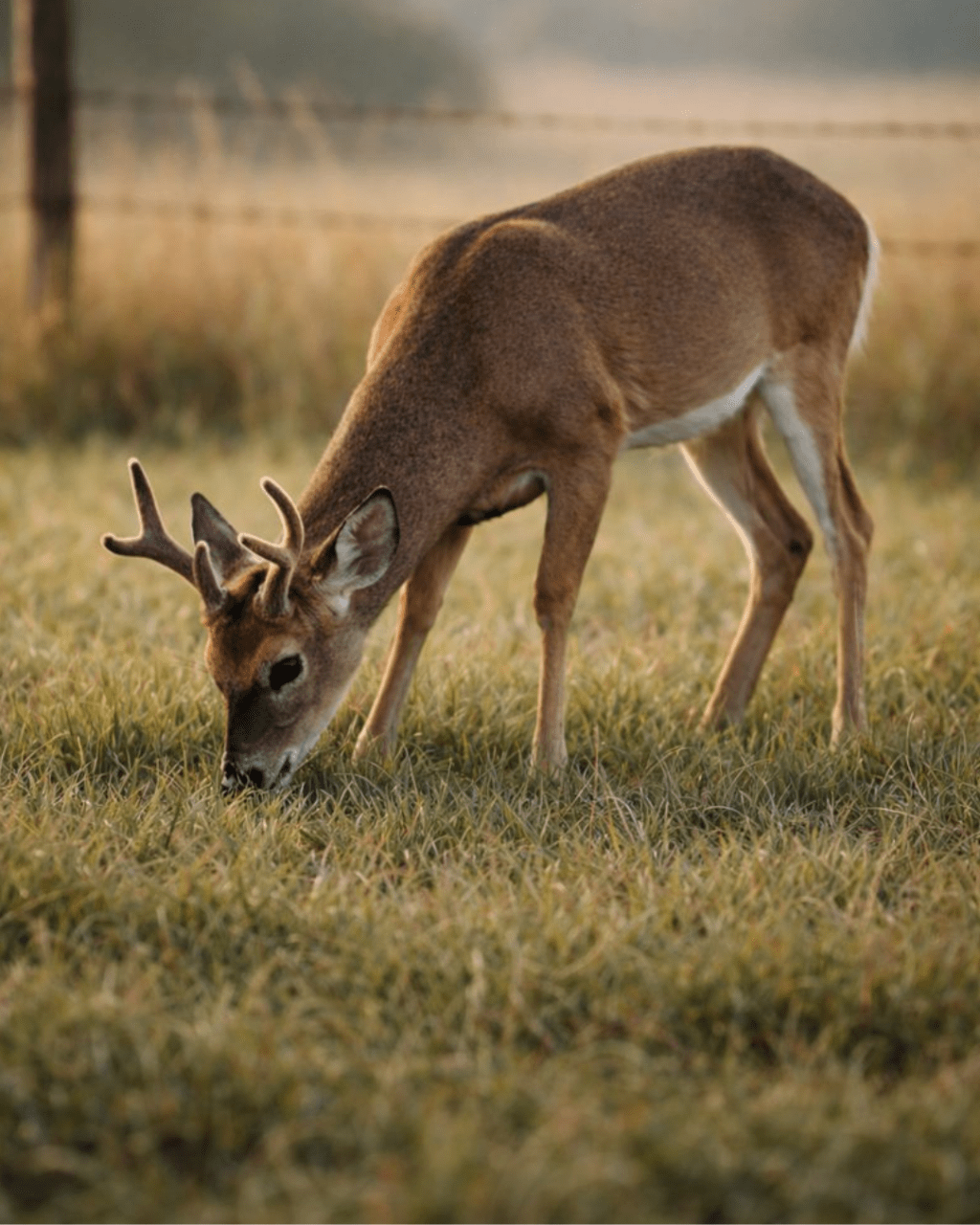
Native Deer Forage in Oklahoma Beats Expensive Food Plots (But You Need to Clear the Land First)

Stop wasting money on overpriced seed blends. The secret to better deer nutrition on your Oklahoma property isn’t another designer food plot mix or fancy fertilizer program. It’s already growing in your soil, buried under years of brush, invasive trees, and shade. Most landowners are sitting on a goldmine of native deer forage and don’t even know it because they can’t see past the cedar thicket choking their property.
The game changer? Professional land clearing that unlocks what’s already there.
If you want trophy bucks visiting your property instead of your neighbor’s, you need to understand how native Oklahoma plants work and why proper land clearing is the first step to turning overgrown acreage into a deer magnet.
Why Native Forage Dominates in Oklahoma (And Why Your Land Isn’t Producing It Yet)
Deer Are Built for Browse and Forbs, Not Just Food Plots
According to Oklahoma State University Extension, deer consume a diverse diet throughout the year, but woody browse forms a major component in most seasons. Forbs (broadleaf plants) are heavily utilized in spring and early summer, while hard mast becomes the preferred food source in fall and winter when available. Evergreen browse like greenbrier provides critical nutrition when other food sources decline seasonally.
Here’s the problem: most Oklahoma properties are so overgrown with invasive species and shade-creating trees that these native food sources never get the sunlight they need to produce.
Your Soil Has a Hidden “Seed Bank” Waiting to Explode
Decades of native plant seeds are sitting dormant in your soil right now. They’re just waiting for two things: sunlight and disturbance. Fire and light soil disturbance can transform a shaded, unproductive area into a deer buffet practically overnight.
But first, you have to remove what’s blocking the sun.
Habitat Diversity Is What Actually Holds Deer on Your Property
Deer don’t want wide-open fields or dense forest. They want interspersion, a mix of cover types and openings in different successional stages. When food, cover, and travel corridors exist close together, deer use the property consistently instead of just passing through.
Research shows that creating edge habitat and maintaining diverse vegetation structure significantly increases deer usage and overall wildlife value.

The Best Native Deer Plants in Oklahoma (By Season)
Spring: Fresh Greens, Forbs, and Post-Burn Rosettes
When spring arrives, deer target tender, high-moisture forage as vegetation emerges.
Top spring foods include:
Emerging rosettes after late-season burns. After a growing-season prescribed fire, deer commonly feed on winter rosettes of Scribner’s panicum, an important cool-season native grass.
Cool-season forbs. Broadleaf forbs that emerge early become prime “deer salad.” These include plantain, clover species, and various native wildflowers.
The spring principle: If it’s green, tender, and within reach, it’s on the menu. Spring is where native management shines because you’re not fighting to establish seedlings in shade. You’re letting sunlight do what it does best.
Summer: Peak Nutrition Demand
Summer is the most nutritionally demanding season because of lactation and antler growth. Deer lean heavily on forbs, browse, and soft mast during this critical period.
High-preference native forbs (summer “choice” foods):
Oklahoma wildlife guidance highlights beneficial native forbs including ragweed, croton, showy partridge pea, Illinois bundleflower, and native sunflowers.
Soft mast (energy-rich fruits):
Soft mast gets hammered by deer in summer and into early fall. Prime options include persimmons, plums, grapes, blackberries, mulberries, beautyberry, and whatever your specific property can naturally support.
Woody browse:
Browse isn’t a backup plan; it’s core nutrition. OSU describes deer as primarily browsers, feeding on woody twigs and leaves along with forbs and mast.
Fall: Hard Mast and the “Late Season Clutch”
Fall is about calories. Deer shift toward high-energy foods to prepare for winter and the rut.
Hard mast:
OSU explicitly identifies hard mast as important and preferred in fall and winter when available. In Oklahoma, that means acorns (white oak, post oak, blackjack oak), plus pecans, hickories, and walnuts where present.
Persistent browse, especially greenbrier:
OSU notes that evergreen browse, primarily greenbrier, remains important throughout the year. Greenbrier stays relevant when other plants fade, which is exactly why deer keep it on their radar.
Persistent soft mast:
Some fruits hang on into fall depending on weather and species, giving deer extra energy as plant foods naturally decline.
The Underrated Management Strategy: Turn Overgrown Land Into a “Free Native Plot”
Here’s the move most landowners miss entirely:
Step 1: Let an Existing Plot Go Fallow for a Year
When you stop fighting every “weed,” you often get a buffet of high-value natives for free. The seed bank activates when you stop interfering.
Step 2: Use Shallow Disking During the Dormant Season
Multiple OSU publications point to shallow dormant-season disking as an effective way to encourage desirable plants. Research shows that sunflowers, croton (doveweed), and ragweed respond particularly well to disking, while summer disking can actually increase undesirable plants.
Practical rule: Disturb the soil lightly, not like you’re prepping for a cornfield. The goal is to stimulate germination without creating erosion problems. Keep disking shallow (less than 4 inches) to maintain native plant stands.
Why Forestry Mulching Is the Oklahoma “Unlock Sunlight” Step
If your target area is brush-choked or has a closed canopy, native management is limited by one boring problem: not enough sunlight.
This is where professional forestry mulching becomes the game changer.
Forestry Mulching Creates the Opening Deer Habitat Requires
Professional mulching services can:
Open the canopy to let sunlight hit the ground so native forbs and browse can respond and flourish.
Create edge habitat and travel corridors, increasing the habitat interspersion that deer strongly prefer.
Help you reclaim land from invasives that crowd out the plants deer actually use and need.
Invasive Control Matters in Oklahoma (Especially Eastern Redcedar)
Eastern redcedar encroachment isn’t just “a tree issue.” It fundamentally alters the ecosystem.
OSU research explains that redcedar encroachment can increase evapotranspiration and reduce streamflow and water supply. The trees use water year-round, with measured daily use varying by size and environmental conditions.
Even OSU’s Oklahoma plant checklist notes that some natives like eastern redcedar can become invasive when natural processes like fire are suppressed or eliminated.
Other invasives including saltcedar and multiflora rose can outcompete natives and form dense stands that severely degrade wildlife habitat.
Bottom line: You can’t manage for native deer forage if invasive species are dominating your property and blocking critical sunlight.
Why Hotshot Land Solutions Is Your Best Partner for Deer Habitat Improvement
Creating productive deer habitat through forestry mulching requires specialized equipment, experience, and an understanding of Oklahoma ecosystems. Not all land clearing companies are created equal.
Professional-Grade Equipment That Gets Results
Hotshot Land Solutions uses state-of-the-art forestry mulching equipment designed specifically for habitat work. Unlike traditional bulldozing that destroys topsoil and the valuable seed bank beneath it, forestry mulching:
Preserves the soil structure and existing seed bank that contains your native forage potential.
Processes vegetation in place, creating a nutrient-rich mulch layer that enhances soil health rather than stripping it away.
Allows for selective clearing, so you can remove invasive cedars and brush while leaving beneficial mast-producing trees and quality browse.
Experience With Oklahoma-Specific Habitat Challenges
Hotshot Land Solutions understands the unique challenges Oklahoma landowners face, from aggressive eastern redcedar encroachment to brush species that respond poorly to conventional clearing methods.
Their team can identify which trees and plants to keep for mast production and browse value, and which invasives need removal to unlock your property’s potential.
Efficient, Cost-Effective Habitat Transformation
Traditional land clearing methods like bulldozing and burning piles create massive debris problems, soil disturbance, and ongoing cleanup costs. Forestry mulching completes the job in a single pass, leaving behind a clean, ready-to-manage property.
The result? You can start implementing your native forage management plan immediately instead of spending months dealing with brush piles and soil erosion.
Important Limitations to Understand (So You Have Realistic Expectations)
Forestry mulching is an incredibly effective tool, but it’s not magic. Here’s what you need to know:
Mulch Depth Can Suppress New Growth If Too Thick
Research on mulching and masticated material notes that deeper mulch layers (over a few inches depending on conditions) can suppress plant growth and establishment. Professional operators like Hotshot Land Solutions manage mulch depth strategically to avoid this issue.
Rocks and Debris Are Real Equipment Hazards
Equipment manufacturers specifically warn that rocks and debris can prematurely wear cutting teeth or damage machinery. Experienced operators assess sites beforehand and work around these challenges.
Mulching Is Not Stump Removal
Forestry mulching shreds standing woody vegetation into smaller pieces spread over the site. It’s not the same as excavating root balls. If your end goal requires heavy tillage, you may need a plan for managing stumps and roots.
A professional company will discuss these realities upfront so you understand exactly what to expect.
Your Simple “Native Plot” Game Plan for Oklahoma Deer Habitat
Step 1: Pick the Right Location
Choose areas near existing cover but with good sunlight potential. You want easy equipment access without creating such an exposed area that deer avoid it during daylight hours.
Step 2: Create Sunlight Through Strategic Clearing
Thin or clear vegetation strategically to allow sunlight penetration. Forestry mulching is one of the most efficient and effective options for this critical step.
Step 3: Choose Your Disturbance Tool
Dormant-season shallow disking encourages native annual forbs without promoting undesirable species.
Prescribed fire where appropriate and legal stimulates native food-producing plants at minimal cost. (Always check local regulations and obtain necessary permits before conducting prescribed burns.)
Step 4: Let the Natives Work
Don’t spray everything that looks “weedy.” Many of the most valuable deer foods look like weeds to the untrained eye. Identify what’s emerging, then selectively manage only what truly hurts your objective.
Step 5: Maintain on a Rotation
Most properties perform best when you treat a portion each year rather than trying to manage everything at once. This creates the habitat diversity and different successional stages deer prefer.
Stop Fighting Your Property and Start Working With It
You don’t need another expensive food plot seed blend shipped from out of state. You need sunlight, smart disturbance, and the native plants that have been feeding Oklahoma deer for thousands of years.
The first step is removing what’s blocking the sun and choking out your property’s natural potential.
Ready to transform overgrown acreage into productive deer habitat? Hotshot Land Solutions specializes in forestry mulching for wildlife management and habitat improvement across Oklahoma. Their experienced team can assess your property, create a strategic clearing plan, and execute the work efficiently with minimal soil disturbance.
Contact Hotshot Land Solutions today for a free consultation and discover what your property can produce when you unlock the native forage already growing beneath the brush.
Your best deer habitat isn’t something you plant. It’s something you uncover. 918.814.2810 (Clint Hoffman, Owner)
 Hotshot Land Solutions | Oklahoma Land Clearing